Now I’m Free”: Agnes Matonya breaks family planning myths in rural Dodoma
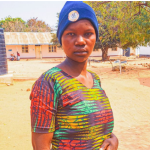
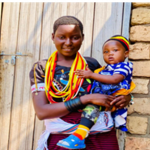
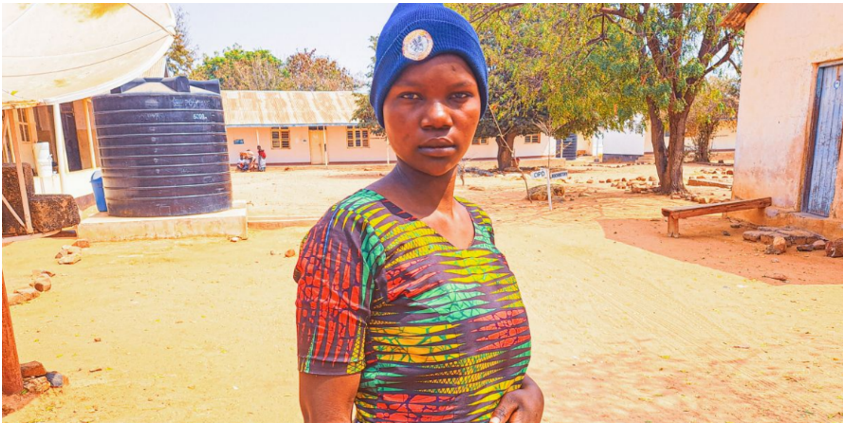
At just 22 years old and a mother of two, Agnes Matonya had long believed that family planning wasn’t for her. Like many women in her village, she grew up surrounded by myths and fear. “was told using family planning would destroy my eggs,” she said, her voice calm but reflective. “Even my parents believed it. We didn’t talk about these things; it was just known. You don’t interfere with your fertility (by using modern family planning).”
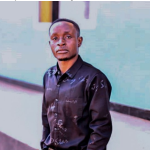
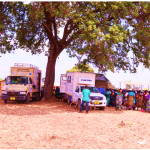
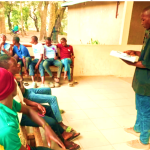
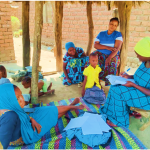
But everything began to change in March 2025, when the TanzAfya Project reached her village. Through regular public sessions and targeted outreach, Agnes was introduced to comprehensive family planning education. “That’s when I finally understood what it really meant,” she said. “The project helped me realize I had a choice and that it was okay to take control of my body.” She credits much of her breakthrough to Charles Kenneth, a local peer educator under the project, whose consistent presence in community gatherings left a mark. “Charles would come and teach us during community meetings,” Agnes recalled. “One message that really stuck with me was: ‘Use family planning to build your economic future.’ That was powerful. It changed the way I saw everything.”
Today, Agnes proudly uses a contraception method of her choice, something she once feared. She made the decision in consultation with her husband, who, to her relief, supported her fully. “He agreed without hesitation. That made it easier,” she said. “I chose the injection because I felt it was safe and suitable for me. So far, I’ve had no issues.” With her newfound confidence, Agnes has also become an informal advocate among her peers. Several friends have followed her advice, including one who is now using the implant method after hearing her story. “I’m proud,” Agnes said. “Proud that I now understand family planning, and that I can help others understand it too.”
For Agnes, the journey shouldn’t end with education alone. She believes that young people, especially those already involved in health awareness groups, should be given economic empowerment opportunities to secure their future. “Give them capital,” she urged. “Even something as small as fruit-selling businesses or other ventures could change their lives.” Her voice is echoed by Charles Kenneth, a peer educator who said the reception to the TanzAfya project among youth in Ndebwe was nothing short of inspiring. “Every week we visited different dispensaries and surrounding communities and spoke with dozens of young people,” Charles said. “The turnout was incredible, especially among primary school students. They were curious, open, and eager to learn.” The success of the project in Ndebwe shows just how transformative access to accurate reproductive health information can be impactful particularly in communities where myths and misinformation once stood in the way. “Now, I’m free,” Agnes said, a quiet smile spreading across her face. “Free to plan my future, free to raise my children in peace. That’s what family planning gave me.”