CHAGULAGA ‘The Night Mare’
Adolescent girls and young women (AGYW) in the Katavi Region face significant emotional, physical, and social challenges due to early and forced marriages. These young girls, often between the ages of 11 and 17, are subjected to deeply rooted cultural practices that not only disrupt their education but also expose them to early pregnancies, gender-based violence (GBV), and harmful traditional norms. One of the major contributing factors is the widespread lack of awareness within communities about the long-term consequences of early marriage.
A particularly harmful tradition fueling this issue is the Chagulaga Ceremony, a cultural event during which men parade village roads to pursue adolescent girls often as young as 11 with the intention of selecting a bride. Once a girl is selected, the man pays a bride price, after which marriage typically proceeds. This practice has led to an alarming increase in child pregnancies and school dropouts, leaving many young girls vulnerable to disease, isolation, and continued GBV. These outcomes significantly hinder the development, safety, and future opportunities of AGYW in the region.
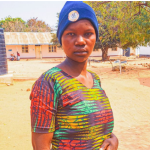
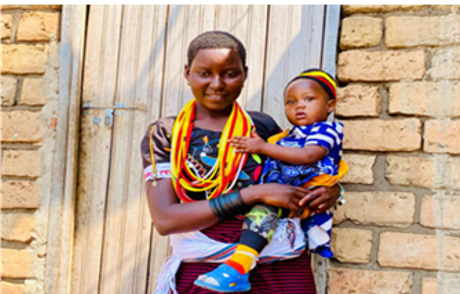
The story of Mindi Bukali, an 18-year-old girl from Mamba Ward in Mpimbwe Council, illustrates the personal toll of these harmful practices. Mindi was selected during a Chagulaga Ceremony and forced into marriage at a young age. As a result, she was unable to complete her secondary education. In her marriage, she was entirely dependent on her husband, especially in matters related to family planning and access to basic needs. Her lack of autonomy and access to information on sexual and reproductive health rights led to her becoming a mother of two children while still in her teens.
Mindi’s experience underscores the urgent need for community education and empowerment programs focused on ending early child marriage, increasing awareness about sexual and reproductive health rights, and protecting the rights of adolescent girls. Interventions must prioritize keeping girls in school, delaying marriage and childbirth, and addressing the harmful social norms that continue to put AGYW at risk.
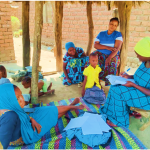
In 2023, the VUMA Project, implemented by UMATI, launched an intervention in the Katavi Region to support adolescent girls and young women (AGYW) with knowledge on sexual and reproductive health and to address early marriage. Among the beneficiaries was Mindi Bukali, a young woman from Kabunde Village in Mamba Ward, Mpimbwe Council. Mindi was visited by Community Health Worker Zubeda Ismaili from Kabunde Dispensary, who provided information on sexual and reproductive health and the risks of early marriage. These household sessions helped Mindi understand how early marriage had affected her life, particularly by preventing her from completing secondary school.
Through the VUMA Project, Mindi was linked to family planning services at Kabunde Dispensary and learned about her rights and available support. Motivated by this new awareness, she took a bold step and became a community advocate against early child marriage.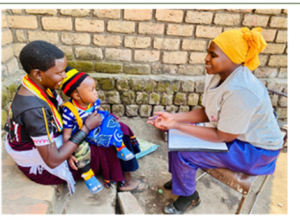
Mindi’s journey highlights the transformative power of education and community-based support in empowering girls to reclaim their rights and create change.
After receiving education during household visits, Mindi stepped into a frontline role in the fight against early child marriage in her village. She began actively raising awareness among parents, peers, and community leaders about the harmful effects of marrying girls at a young age particularly through the Chagulaga ceremony. She highlighted the consequences such as school dropouts, early pregnancies, and the loss of autonomy over reproductive health.
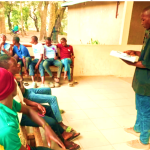
Through community dialogues, youth gatherings, and local meetings, Mindi encouraged open conversations and collective action. Her efforts inspired others to speak out against the practice, making her a strong voice for change and a committed champion for girls’ rights in her community.