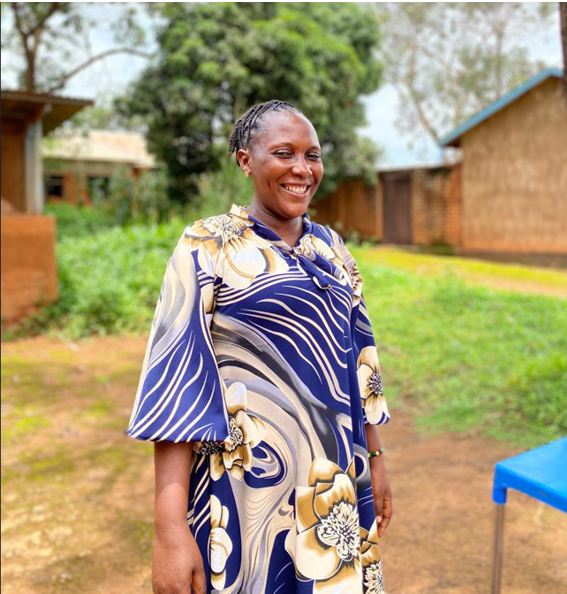
From Struggle to Stability: Stella’s Journey with Family Planning
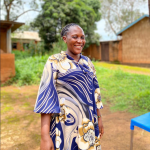
Stella Epiphany Norbet, a 40-year-old mother of five from Kigombani Mlubona Ward in Kasulu Town Council, faced significant challenges early in her marriage.  Married for 22 years to Mr. Venance Gerson Ntiboneka, a driver at a private organization, Stella began motherhood at the age of 21. She experienced two unplanned pregnancies within a very short period, with only a four-month gap between her first child and the next pregnancy. This situation left her physically weak, emotionally stressed, and overwhelmed with responsibility. At the same time, she faced stigma from her community, who criticized her for not spacing her children.
“I was deeply hurt because I wanted my child to reach at least three years before becoming pregnant again, but it did not happen that way,” Stella recalls.
The family also faced financial hardship since Stella had to stop her small business due to lack of time and energy, while her husband was unable to achieve his goal of purchasing a motorcycle for a family business. With increasing family needs and limited income, the household had to sometimes survive on two meals per day.
Additionally, Stella had misconceptions about family planning, she believed it could harm her reproductive health or cause serious complications. Limited access to accurate information contributed to her reluctance to use family planning services.
Stella’s turning point came in 2006 when she visited a Reproductive and Child Health (RCH) clinic during the delivery of her second child at the facility, located just 1 km from her home, she received counseling and education on family planning from a healthcare provider.
After discussing the information with her husband, they agreed to consider family planning methods. In 2009, after the birth of her third child, Stella began using Depo-Provera. Over time, she also used implants and continued to seek guidance from health providers to find the most suitable method for her needs.
Despite experiencing minor side effects such as menstrual changes, Stella remained committed to use family planning. With continuous support and accurate information, she was able to make informed decisions about her reproductive health and effectively plan her family.
Through consistent use of family planning, Stella achieved proper child spacing, which significantly improved her health and overall well-being. She was able to care for her children more effectively, reduce stress, and better manage her household responsibilities.
Her family’s financial situation also improved, as they were able to plan their expenses and focus on long-term goals. Today, all her children are in school, including one at university level, reflecting a more stable and supportive family environment.
Stella now has more time to engage in productive activities and support her family. She has regained confidence and is proud of the progress her family has made. “I urge people to stop believing misconceptions about family planning and SRHR services. These services have helped me raise my children well, provide them with education, and create time to work and care for my family.”
Stella’s story highlights the importance of access to accurate information and quality family planning services. It demonstrates how addressing misconceptions and improving service delivery can transform lives, particularly for women and families in underserved communities.
Her experience shows that family planning is not only about controlling births, but also about improving health, strengthening families, and creating opportunities for economic stability. Expanding outreach and education especially in hard-to-reach areas can empower more individuals like Stella to make informed choices and improve their quality of life.